BySonu
Smart Fixing Techniques Around 314-668-6342 for Frequent Difficulties
Smart fixing techniques around 314-668-6342 emphasize a calm, methodical approach to frequent difficulties. Start by observing symptoms, collecting data, and prioritizing likely causes to cut uncertainty quickly. Focus on tool-free, practical steps with measurable outcomes and reassess after each adjustment. Document findings for future reference and use structured checks to verify stability. When issues recur or risk safety, consider vetted expert help with transparent bids that align with safety and cost-efficiency, guiding the next move.
How to Diagnose Common Household Glitches Quickly
Common household glitches often follow predictable patterns, so a systematic approach enables rapid identification of root causes. The analysis emphasizes observable symptoms, consistent steps, and documentation for future reference. Focused observation reduces ambiguity, guiding quick diagnostics and narrowing possible failures. By organizing data and prioritizing probable culprits, efficiency rises while uncertainty decreases, supporting resilient, autonomous problem recognition rather than dependence on external interventions.
Simple Fixes You Can Do Without Tools
Simple fixes that require no tools focus on quick, practical steps to restore function or comfort. The approach emphasizes straightforward actions, observable outcomes, and minimal disruption. Clear guidelines help readers perform light adjustments, reassess results, and proceed with confidence. Emphasis on simple fixes and quick diagnostics encourages autonomous problem resolution while preserving safety, efficiency, and personal freedom from dependency.
Troubleshooting Tech Snags Step by Step
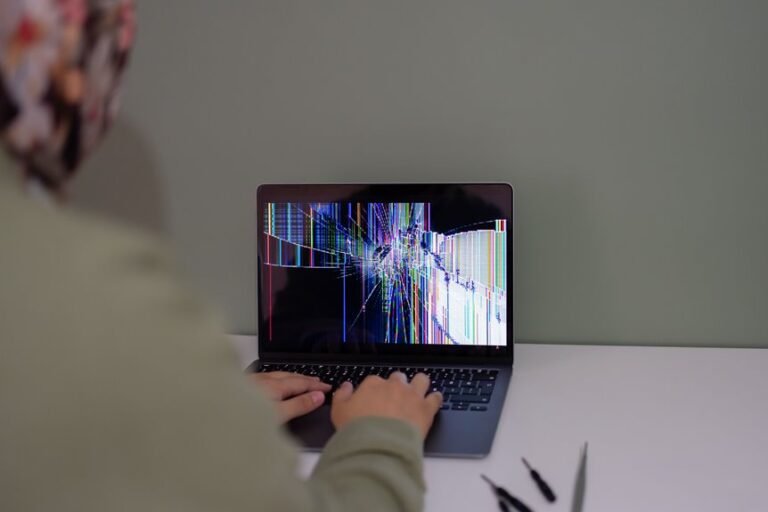
Troubleshooting tech snags step by step requires a systematic approach to identify, isolate, and resolve issues efficiently. The process emphasizes calm assessment, documenting symptoms, and testing hypotheses. It guides users to diagnose quickly using structured checks, verify outputs, and confirm stability. Emphasis remains on methods that yield fixes without tools, ensuring reliable outcomes while maintaining user autonomy and operational clarity.
When to Call in Expert Help (and How to Vet It)
When assessing persistent or high-risk issues, it may be prudent to involve expert assistance rather than continuing with internal fixes.
The piece outlines criteria for timely expert evaluation, including symptom severity, recurrence, and safety concerns, plus steps to verify credentials and references.
Emphasize cost effectiveness, transparent bids, and measurable outcomes to ensure informed, freedom-driven decisions.
Frequently Asked Questions
What Safety Precautions Apply to DIY Fixes at Home?
Safety precautions for DIY home fixes include wearing protective gear, avoiding working alone, and unplugging power sources. Safety hazards should be anticipated, and Tool maintenance ensured; organized workflows reduce risk and support confident, freedom-loving problem solving at home.
How to Budget for Unexpected Repair Costs?
Budgeting for unexpected repair costs requires setting aside a dedicated fund, tracking expenses, and adjusting monthly contributions. It treats budgeting surprises as predictable events, while maintenance contingencies are scheduled buffers, enabling freedom through disciplined, clear financial organization and preparedness.
Which Fixes Require Permits or Inspections?
Some fixes require permits or inspections; permits required depend on local codes, project scope, and structural changes, while inspections needed verify compliance. The process emphasizes clarity, organization, and autonomy for those pursuing competent, lawful home improvements.
How to Document Issues for Future Reference?
Documentation practices should capture date, issue, location, impact, actions, and responsible party, then archive for maintenance scheduling. The approach emphasizes precision, clarity, and organize freedom, ensuring easily accessible records and scalable workflows for future reference.
What Are Red Flags Needing Immediate Professional Intervention?
Red flags requiring immediate intervention include structural instability and electrical hazards; prioritize safety precautions, obtain permits inspections, and halt work. Documenting issues aids future reference, supports budget planning, and clarifies when professional help is essential for safety.
Conclusion
In sum, the guidance frames smart fixing as a calm, methodical process: observe, organize, test, and reassess. By prioritizing likely causes and applying tool-free remedies, homeowners gain quick, measurable improvements and clearer data for future reference. Each adjustment is documented, creating a reliable trail for repeat issues. When risks arise or results stall, expert help becomes a carefully vetted, transparent option. The approach acts like a compass, keeping repairs steady and focused amid the noise of problems.